
May to September is a useful starting point for a trip to Bali or Java, but Indonesia does not have one weather calendar. Choose the islands first, then compare their rain and sea conditions with the activities you want to do.
This guide combines the seasonal overview with practical planning: documents, transport, packing, food and diving. Rainy season does not mean continuous rain everywhere, and dry season does not guarantee a boat departure.
Dry season, wet season and temperatures
The climate is tropical, warm and humid. Average temperatures around 25–30°C and humidity often above 70% explain why light clothing and a flexible daily plan help. Bali is commonly around 26–29°C and Java around 28–30°C; elevation and local weather make a difference.
For Bali and Java, May–September is the main dry-season reference and October–April the wetter period. December and January commonly bring more rain. These are broad patterns, not a forecast for every island or every day.

Choose your dates by region
Bali and Java combine beaches, temples and cultural visits. In Java, Yogyakarta and Borobudur are options for the itinerary. Northern Bali can be drier than other parts of the island, but check the particular area.
Lombok, the Gili Islands and Nusa Penida have a dry-season reference around April–September, with more rain often in November–January. The Gilis are warm throughout the year, with a typical range around 27–29°C.
For Komodo and Flores, July–September is a popular travel period. April–November is a broad diving reference, but currents and sea conditions matter more than a calendar label. Allow flexibility for boat travel in remote areas.
Sumatra has regional differences: rain occurs throughout the year around Bukit Lawang, often increasing in October–January, while April–October is a drier reference for the south. Jungle walks, orangutan observation and volcanoes require their own local checks.
In Kalimantan, Indonesian Borneo, June–September is a useful starting point, especially August–September. Northern Sulawesi, including Manado, receives rain throughout the year, with July–October generally less wet.
The Moluccas can follow a different pattern, with October–May a useful travel reference. Raja Ampat and western Papua remain wet year-round: October–May is commonly preferred for diving, while June–September can be windier and wetter.

A month-by-month planning guide
January and February usually mean wetter plans in Bali and Java: mix outdoor activities with cultural visits. March can bring a gradual transition, and April is a useful month to compare local conditions before committing to a route.
May marks the start of the drier period in many popular destinations. June brings more visitors; July and August combine that seasonal appeal with high demand. September can offer a similar travel window with fewer people than the busiest holiday weeks.
October is a transition month in Bali and a common starting point for Raja Ampat diving trips. November tends to bring more rain to Bali and Java. December combines wetter conditions with holiday demand. Check each island instead of applying this sequence to the entire country.

Busy periods, festivals and bookings
June–September and the December–January holidays are busy periods on established routes. Quieter travel months can mean more accommodation choice, but schedules and available excursions may also change.
Nyepi, the Balinese day of silence, affects movement and airport operations. Galungan and Kuningan are also important in Bali; the Bali Arts Festival is associated with June–July and Pasola in Sumba with February–March. Ramadan and Idul Fitri can affect transport demand. Confirm the dates and local arrangements for the year of your trip.

Documents, insurance and money
Check the immigration requirements for your nationality and the purpose and length of your stay. Prepare a passport with at least six months of validity and check onward-travel requirements. Visa exemptions do not apply to every traveller.
Review travel insurance and the activities it covers, including diving if it is part of your plans. Ask a travel-health professional about any preparation specific to your itinerary; a packing list cannot assess your medical needs.
The currency is the Indonesian rupiah. Carry some cash for smaller businesses and transfers, and plan access to money before moving to smaller islands.

Getting around and packing
Domestic flights, ferries and fast boats connect different parts of the country. Garuda Indonesia, Lion Air and AirAsia are among the airlines used on domestic routes; check the actual destination, baggage and connection conditions.
Apps such as Grab and Gojek can help in some urban areas, but their availability is not the same on every island. If considering a scooter, check the licence, insurance and local road conditions rather than treating it as the automatic choice.
Pack light clothing, a rain layer, sun protection, repellent, walking shoes, sandals and a daypack. Check your plug adapter for types C and F, and bring personal medication and an appropriate first-aid kit. Keep the luggage manageable if your route includes boat transfers.
Food and everyday customs
Try nasi goreng, satay, gado-gado, bakso or rendang according to your preferences. Pedas means spicy; tidak pedas helps you ask for a non-spicy version. Pay attention to food and drinking-water hygiene.
Cover shoulders and knees when visiting temples and follow the site’s rules. A polite terima kasih means thank you. Where bargaining is appropriate, keep it friendly and respectful.
Plan diving in Nusa Penida and the Gili Islands
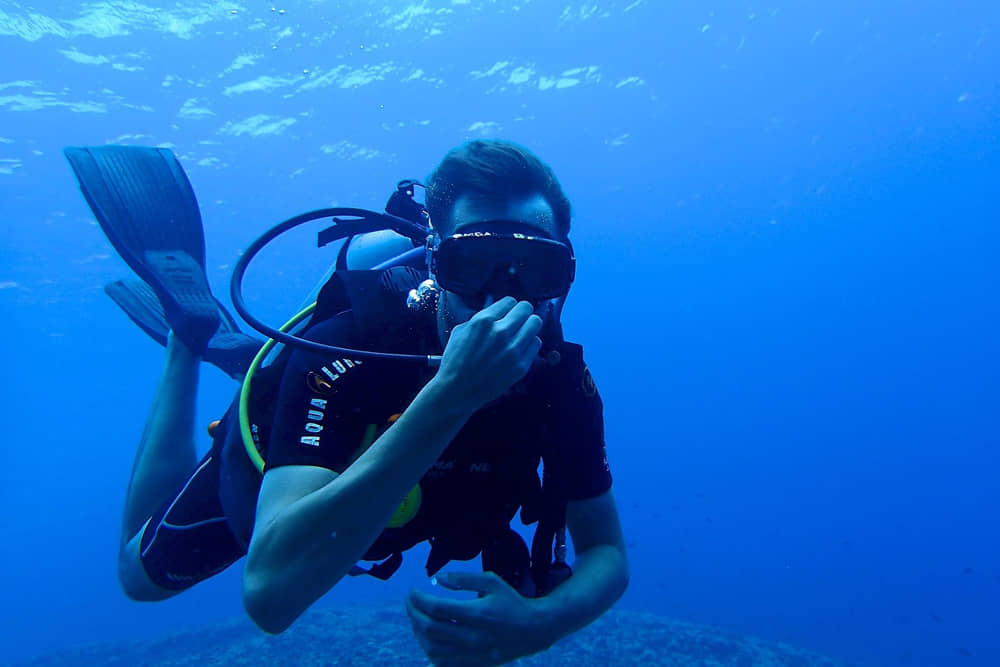
For Nusa Penida, July–October is the usual mola mola season reference; water can be colder, and currents influence site selection. Manta encounters are possible throughout the year, without a guaranteed sighting. The Gili Islands offer reef diving and opportunities to see turtles.
Compare our SSI diving schools in Indonesia: Nusa Penida, Gili Trawangan and Gili Air. Tell the team your dates, certification and recent experience before arranging dives or a course.
Frequently asked questions
Is there one best month for all of Indonesia?
No. May–September is a useful reference for Bali and Java, while Raja Ampat and the Moluccas follow different seasonal patterns. Choose the region first.
Can you travel in the rainy season?
Yes, with plans suited to the destination and room for transport changes. Check sea conditions before relying on a boat connection.
Does dry season guarantee good diving?
No. Currents, swell, visibility, your training and the site all affect the decision. Confirm conditions with the local team.
What should you book first?
Start with the islands and dates, then coordinate flights, boats and accommodation. Discuss course dates before filling every day with excursions.