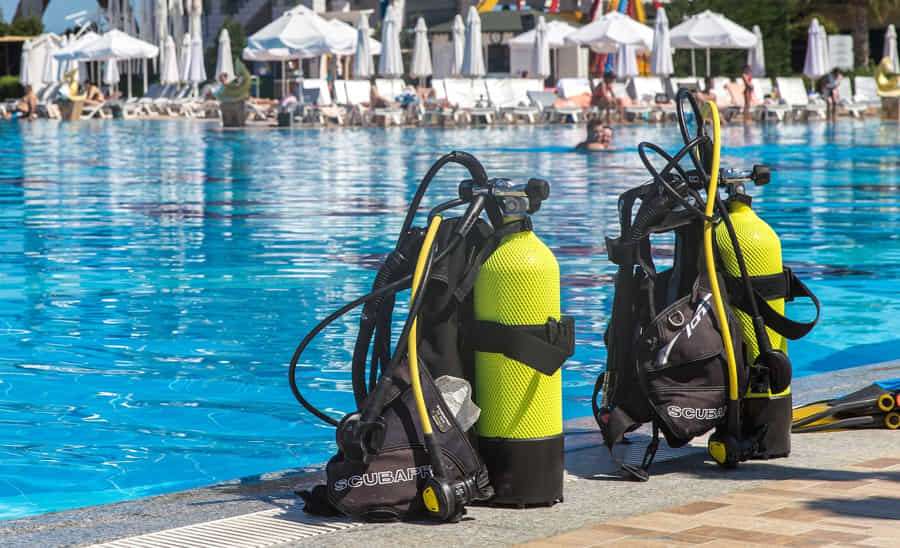
Learning to dive starts with choosing the right first experience. You can try breathing underwater with an instructor, or join an Open Water course if you want to work towards a diving certification.
Recreational diving means diving for enjoyment: observing marine life, exploring reefs and sharing the activity with a buddy. It still involves training, health requirements and limits appropriate to your certification and the conditions.
Try diving or take an Open Water course
An introductory dive is a first experience under an instructor’s supervision. It suits someone who wants to try the activity before deciding on a full course. It does not replace an Open Water certification.
Open Water combines theory, equipment use, water skills and open-water dives. SSI certification prepares you to dive with an appropriately qualified buddy within your training and depth limits, generally up to 18 metres for the adult programme.
In DPM Diving, the introductory experience takes one day and the Open Water programme is organised over three days. Confirm your dates and the time needed for learning with the school before arranging transport. See our beginner diving courses.
See the SSI Open Water course in Koh Tao for the programme at that school.
Age, health and swimming requirements
Some beginner programmes accept participants from age ten, with specific rules for younger divers. The minimum age, supervision and depth limits depend on the programme; confirm them for the person taking part.
Complete the medical questionnaire accurately before the activity. Depending on your answers and circumstances, medical clearance may be required. A qualified clinician must assess health questions; a blog cannot determine whether you are fit to dive.
For certification, you need to meet the water-fitness requirements. You do not need competitive swimming skills, but you do need confidence in the water and the ability to complete the required assessment. Tell the school about any concern before booking.
What you learn during the course
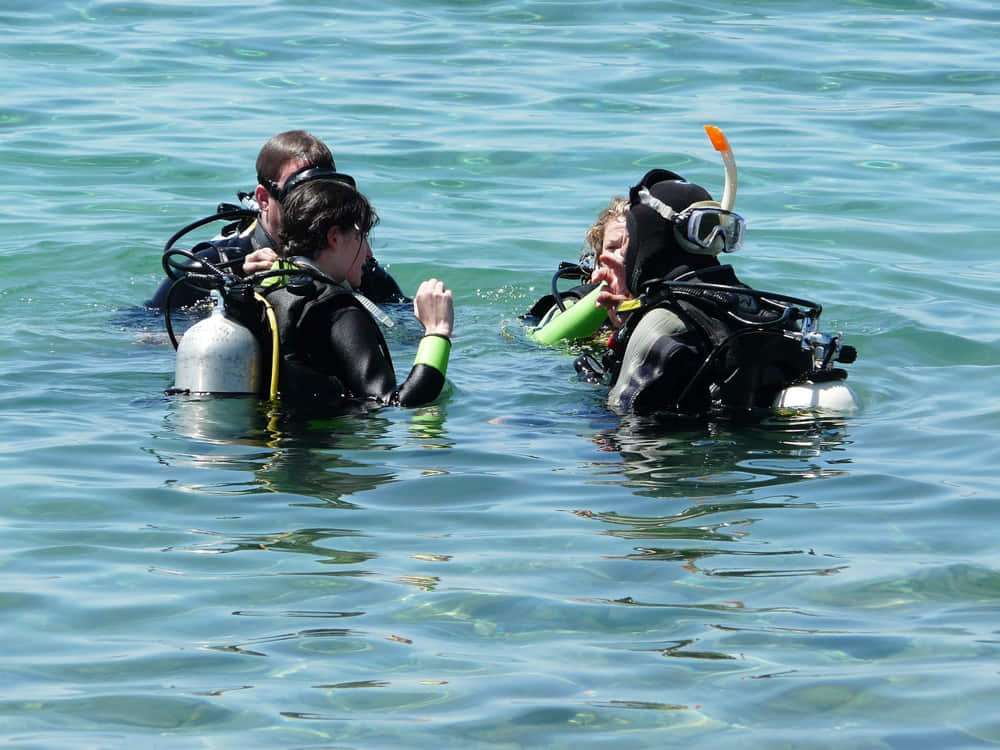
Theory explains the equipment, the underwater environment and the planning principles used in recreational diving. Practical sessions introduce breathing through the regulator, communication and control in the water before applying those skills on dives.
Buoyancy is a central skill: it helps you control your position and avoid contact with the bottom or coral. You also learn to work with a buddy, follow a dive plan and recognise when to ask for help.
Certification depends on completing the required knowledge and skill assessments. Allow time to practise and ask questions; the schedule should support learning rather than become a race to finish.
The equipment you use
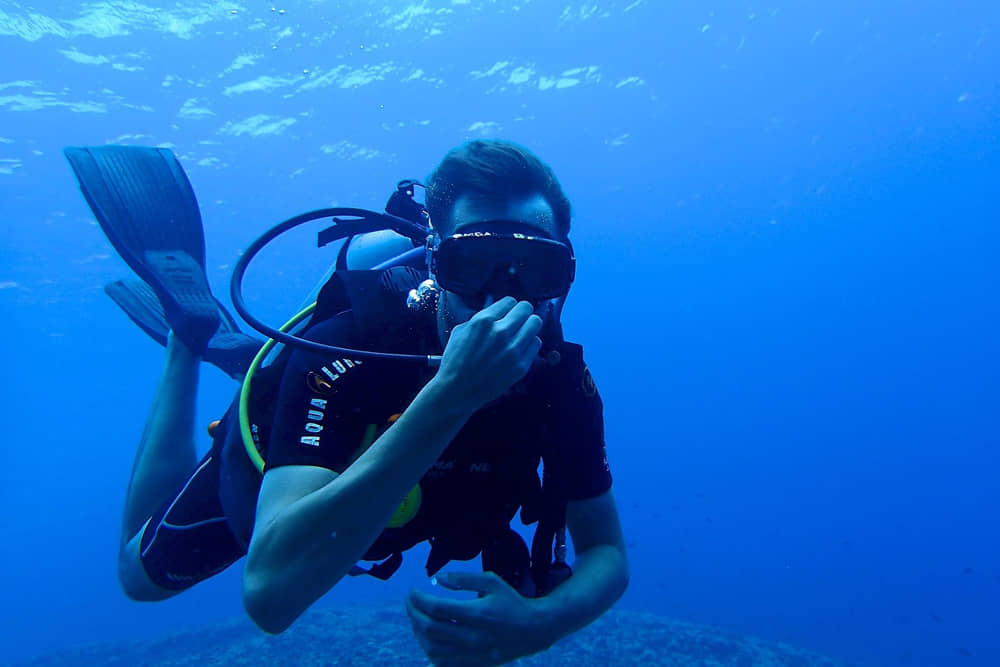
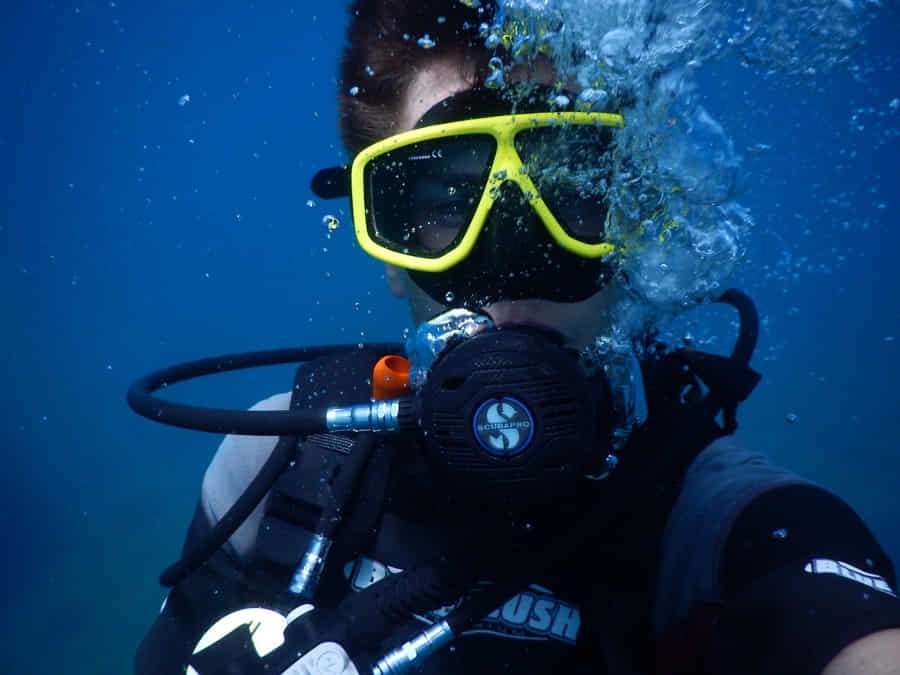
The basic set includes a mask, fins, exposure protection such as a wetsuit, a regulator, a cylinder and a buoyancy compensator, usually called a BCD. A good fit matters, especially for the mask and exposure protection.
DPM Diving provides the equipment for its courses. Check the programme details and explain any fitting needs in advance. You can become familiar with the kit before deciding whether to buy equipment for regular diving.
Equipment is heavier and less comfortable to move with on land. Follow the team’s instructions for putting it on, moving and entering the water; do not rush because other people are ready.
Your first dive and common concerns
Tell your instructor if you feel nervous or do not understand a skill. Practise at the pace agreed with the instructor and use the communication signals taught during the briefing. You can stop and discuss a concern rather than trying to hide it.
Rest, drink water and organise meals around the activity. In the water, focus on the breathing, buoyancy and buddy procedures taught in your course. Do not touch coral, chase animals or leave rubbish.
Diving can bring time away from everyday distractions and opportunities to meet other people interested in the sea. Those are reasons people enjoy it, not promises about how every person will feel.
Choosing a course after Open Water
Your next course should match both your experience and your interests. Advanced training and specialties can develop navigation, buoyancy, night diving, deeper diving, nitrox or underwater photography. The requirements and limits depend on the specific programme.
Rescue training focuses on recognising problems, assisting other divers and responding to emergencies. It is a different learning objective from simply diving deeper. Ask about the prerequisites and the skills you need to practise first.
Compare advanced diving courses with the team. You can also continue enjoying recreational dives within your existing certification; collecting courses is not a requirement for every holiday.
If you want to work in diving
Divemaster training develops the skills needed to guide certified divers and assist with training within the qualification’s scope. Instructor training is the route for people who want to teach and certify divers.
Professional training requires additional experience, preparation and prerequisites. Discuss your logbook, qualifications and objectives with the school instead of choosing solely by the course name.
Where to learn with DPM Diving
In Thailand, compare Koh Tao and Koh Phi Phi. In Indonesia, our schools are in Nusa Penida, Gili Trawangan and Gili Air.
We teach SSI programmes in small groups. Share your dates, previous experience and preferred language so the team can explain the available course. Current programme details and prices are shown on the school and course pages.
Frequently asked questions
Does a try dive give you an Open Water certification?
No. It is a supervised introductory experience. Open Water requires its own theory, practical training and assessments.
Do you need to buy equipment before learning?
DPM Diving provides course equipment. Confirm what is included and discuss any fitting needs before arrival.
Can a certified diver dive alone?
Open Water prepares you to dive with a suitably qualified buddy within your training and limits. Certification does not mean diving alone or entering any environment.
What if you are unsure which course fits?
Explain your certification, recent dives, concerns and goals to the team. The next step may be practice, a specialty or a course, depending on your situation.