

Nusa Penida combines cliff viewpoints, beaches, forest, temples and diving close to Bali. Organise your visit around the western sights, the eastern coast and time in the water: road journeys and walking access are part of the plan.
This guide brings together the island’s places and activities with the access details to consider before choosing your route. A photogenic beach does not automatically mean an easy swim or a descent that suits everyone.
When to visit and how long to stay
The dry season is generally April to October, with daytime temperatures around 28–33°C. November to March is the wetter period. These are seasonal references, not a promise of sunshine, sea conditions or underwater visibility on a particular day.
If you want to combine the coast, the interior and diving, the original itinerary suggests three or four days. An overnight stay gives you more flexibility than trying to fit both sides of the island into a single boat excursion.

Getting there and moving around
Bali is the usual starting point. Sanur, Padang Bai and Kusamba appear in the transport guides as departure points, with different boats, arrival ports and journey times. Confirm whether your service arrives at Toyapakeh, Buyuk or another harbour before arranging your transfer. See how to get from Bali to Nusa Penida for the route comparison.
On the island, the options described are a scooter, a car with a local driver or an ojek, a motorcycle transport service. Cycling is an option for shorter distances, but the terrain is hilly. Public transport is limited, so arrange the journeys you need instead of expecting the same options as in Bali.

Kelingking: viewpoint and beach access
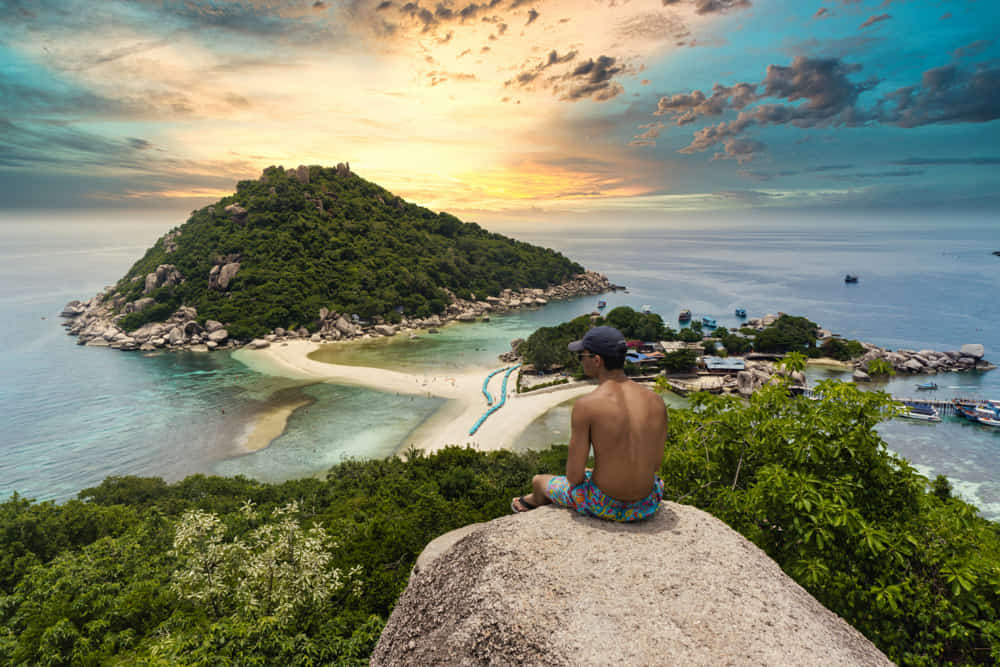
The cliff shaped like a dinosaur is the landmark at Kelingking. You can enjoy the view from above without descending to the beach. The path down is steep and uneven; visiting a viewpoint and completing the descent are different plans.
The earlier walking guide allows around an hour for the descent and return, but your pace and conditions matter. Leave enough time and energy for the climb back, and follow any access restrictions at the site. An early visit can help you avoid the busiest part of the day.

Angel’s Billabong and Broken Beach
These two coastal sights can be visited together. Broken Beach is a cove with a natural rock arch, rather than a conventional beach to walk down to. Angel’s Billabong is the nearby tidal pool.
Waves can overtop the edge and sweep people towards the sea. Treat this as a viewpoint visit, follow local barriers and guidance, and do not assume that low tide makes entering the pool safe. The western route can also include Kelingking if you allow time for the road journeys.

Diamond Beach, Atuh and Pulau Seribu
Diamond Beach and Atuh can be combined on the eastern side of the island. Diamond has a steep staircase cut into the hillside; Atuh is known for its rock formations, natural arch and beach framed by cliffs.
Allow around 10–15 minutes for the descent at Atuh, with a more demanding climb back. Leave before you are exhausted or daylight runs out. The sea can break strongly here: a beach visit does not have to include swimming. Pulau Seribu adds views of the offshore rock formations and small islands to this coastal route.

Crystal Bay and the underwater sites
Crystal Bay is a beach and sunset stop with access from the Toyapakeh area. It is also a dive site associated with the chance of seeing mola mola. The conditions for sitting on the beach, snorkelling and diving should be assessed separately.
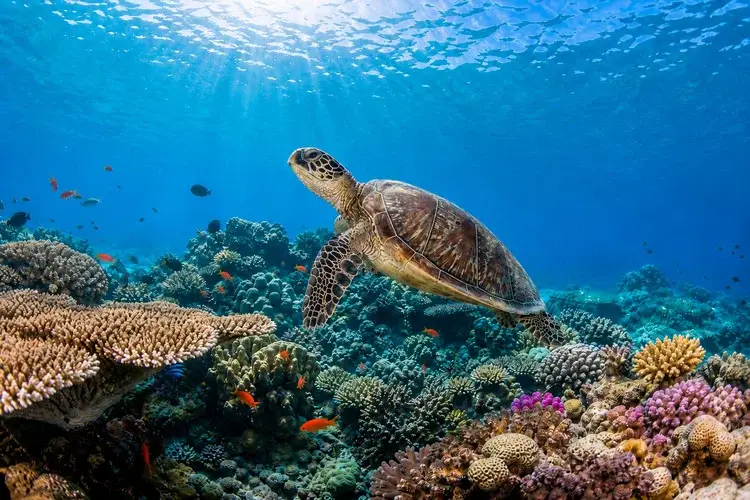
Other sites covered in our guides include Toyapakeh and Manta Point, associated with manta rays. Turtles, reef fish, trevally and Napoleon wrasse also feature in the island’s underwater descriptions. Neither the route nor an animal sighting is guaranteed: currents and the conditions on the day guide the choice of site. Read the Nusa Penida dive-site guide and the Manta Point guide for more detail.

Forest walks, temples and village life
Tembeling brings together forest paths, a beach and natural freshwater pools. It is a different place from Angel’s Billabong. Seganing Waterfall is another landscape mentioned in the island guide; check access locally before planning a walk there.
For the cultural side of the trip, Pura Dalem Ped is a place of worship, while Ped and Tanglad offer a look at village life and traditional architecture. Local markets and Balinese food give you other ways to explore. Dress respectfully at temples and follow the community’s guidance around ceremonies.
Where to stay and what to carry
Toyapakeh is useful when you want to organise your stay around the harbour and diving; Crystal Bay suits a beach-focused visit, while the Atuh area gives access to the eastern coast. Accommodation includes homestays, guesthouses, hostels, bungalows and resorts. Consider the road journeys as well as the room itself. The Nusa Penida accommodation guide develops the options.
Carry cash in Indonesian rupiah, walking shoes, sun protection, a hat, swimwear, insect repellent and a reusable water bottle. Mobile coverage can be uneven away from the busier areas. Book transport and accommodation ahead in busy periods, keep to marked routes and take your rubbish away.
Plan your diving with the Nusa Penida school
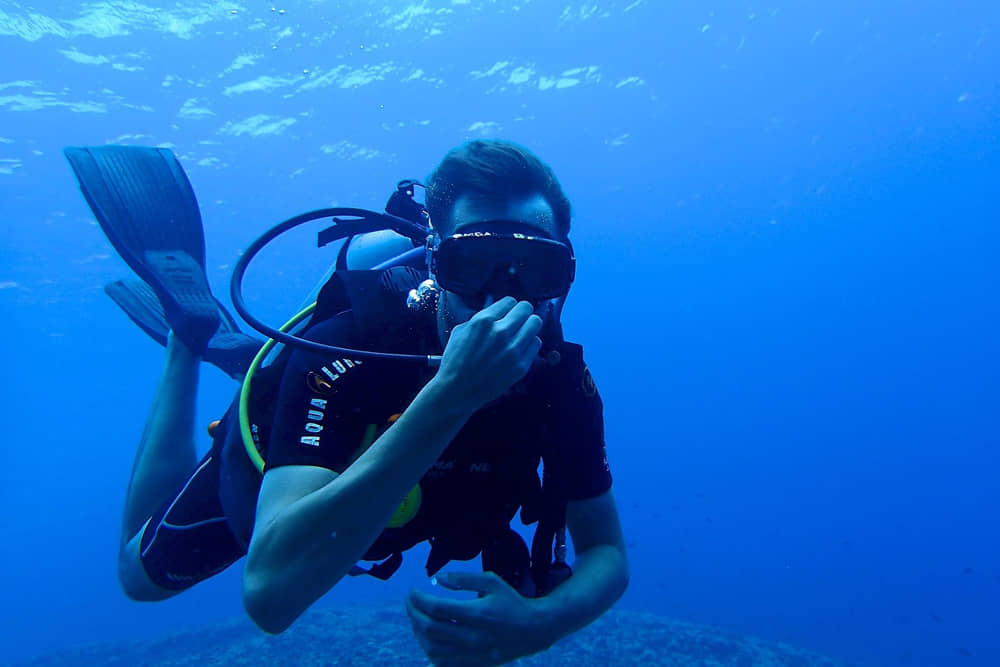
Our SSI school in Nusa Penida is in Toyapakeh. Tell the team your certification level, recent experience and dates to discuss introductory diving, courses or guided dives. Keep space in your land itinerary for the actual dive programme.
Frequently asked questions about Nusa Penida
How many days do you need in Nusa Penida?
Three or four days is the reference in the original itinerary for combining sights and activities. The time you need depends on how much diving you plan and whether you want to explore both sides of the island.
Can you see Kelingking without going down to the beach?
Yes. The viewpoint is a visit in its own right. The steep descent is a separate undertaking, subject to access conditions and your ability to make the climb back.
Are Tembeling and Angel’s Billabong the same pool?
No. Tembeling is the forest and freshwater pool area; Angel’s Billabong is the coastal tidal pool near Broken Beach.
Can you combine diving and sightseeing?
Yes, but organise the boat journeys, dive programme and road transfers together. Trying to add every beach to a diving day leaves little flexibility.